Kōenji Kid
‘Where are you from?’
It’s a question I struggle with, having moved away from my home country at a young age.
But in the beginning, I was a true Kōenji kid.
Kōenji is a district in the Suginami ward in Tokyo, a few stops west of Shinjuku.
It’s characterised by pedestrian-only shopping streets full of vintage clothing stores; calm, narrow alleys lined with low-rise residential buildings and flower beds; and record stores that music enthusiasts make pilgrimages to.
I was born in a clinic four minutes north of Kōenji station, and my family lived in a cramped apartment a few minutes south of that same station. Until I finished first grade, I attended a local elementary school walking distance from my home, and I even danced in the Kōenji Awa-Odori – a traditional folk dance festival to honour ancestral spirits.
In an alternate universe, I’d most likely still live there.
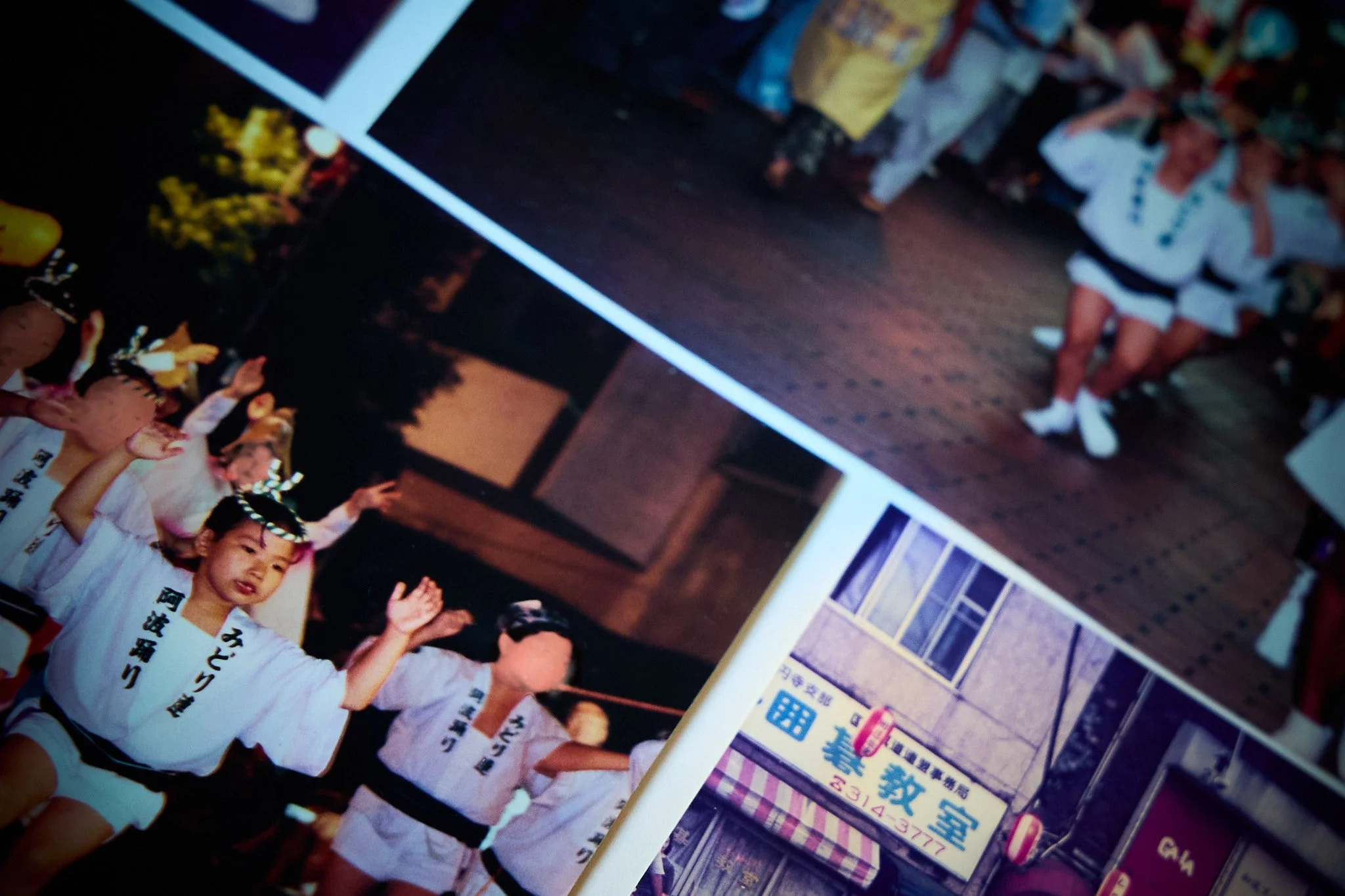
Kōenji Awa-Odori in the nineties
Kōenji’s got a reputation.
It used to be called ‘The India of Japan’ partly because of its bohemian atmosphere and its tendency to smell of spices from the curry shops in the neighbourhood.
It’s known for being a hotspot for subculture and counterculture.
It’s a haven for musicians and artists.
Cheap rent, proliferation of live houses, streets overflowing with second-hand stores, and genuine community spirit all played a part in helping people on the fringes of society to thrive in Kōenji. Its historical impact on Japan’s music scene, especially underground and alternative music, is undeniable.
Kōenji remains significant for counterculture and alternative music, yet its evolution is under-documented.
Punk culture and its communities are especially interesting in a neighbourhood that seems to embrace DIY and individual freedom more than the majority of the country.
Over three weeks, we are embarking on a research trip to immerse ourselves in Kōenji.
We are connecting with locals who can offer genuine perspectives and stories on the punk scene, and learning about how Kōenji’s punk communities have evolved.
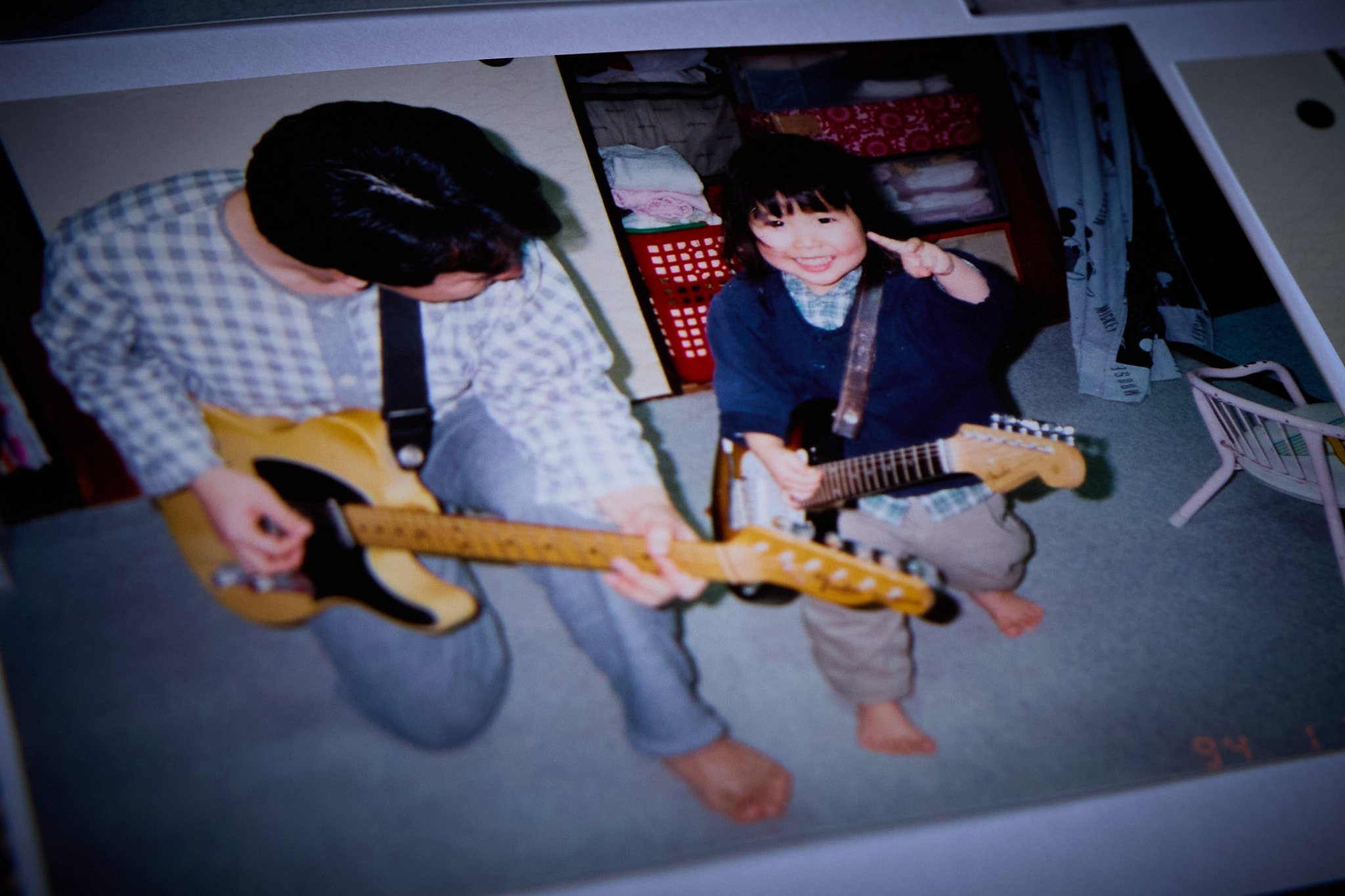
I can count on one hand the number of times I’ve been back to my hometown in twenty-seven years. But last year, staying in a short-term rental apartment a few minutes from the clinic where I was born, a small piece of my identity was returned to me.
I don’t feel that I am truly from Japan nor Tokyo, but I do feel that I’m from Kōenji.
I recognise in myself the same resourcefulness, resilience, and spirit that I see embedded in this town.
Text & Photos: Ikumi Maekawa
Follow our journey right here on Kōenji Punk.